
Consultation
+91 98245 43810
Consultation
+91 98245 43810
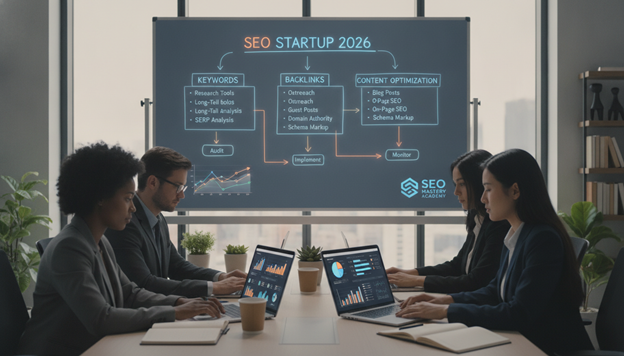
SEO is a long-term form of SEO marketing that helps a website earn unpaid visits from Google Search. It is not a quick fix. It steadily makes pages useful, clear, fast, and easy for search engines to understand.
How do I start SEO for beginners? Begin with a clear goal: leads, sales, calls, or store visits. Next, set up Google Search Console and Google Analytics, learn customer searches, and improve key pages.
For SEO for beginners 2026, focus on steady progress instead of fast rankings. Google uses many signals to rank pages, and no fixed timeline fits every website. Strong content, sound technical setup, and regular updates can build visibility over time.
This guide explains each step in plain terms and offers useful context for businesses and website owners in India. You will learn to plan, optimize, measure, and improve an SEO process that supports real growth.
Search engine optimization helps websites appear when people seek useful answers, products, or local services. It connects clear content with the words and needs of real users in India.
To understand what SEO is and how it works, view search as a large library. Search engines find pages, study content, and choose pages that best match each query.
What is SEO in digital marketing? It means improving a site’s content, structure, speed, and user experience. This work supports organic search results. Unlike paid ads, organic visibility can grow over time without paying for every click.
SEO supports digital marketing by bringing qualified visitors to service pages, product listings, guides, and local business profiles. Strong pages answer clear questions and make the next step easy.
Google and other search engines crawl the web by following links, reading sitemaps, and revisiting known URLs. Crawling lets a search engine fetch a page and check its content.
During indexing, the search engine reviews eligible text, images, and page details. It stores useful information in its index. Ranking occurs when the system compares indexed pages for a specific search.
Results can change based on relevance, quality, mobile usability, location, language, and search context. A user in Mumbai may see different results than someone searching from Pune.
A practical search engine optimization example is an Indian accounting firm creating a page for “GST registration services in Pune.” The page explains the service, fees, eligibility rules, required documents, and contact process.
This focused page gives search engines clear context and helps potential clients find timely information. It also matches a local query with a useful business service.
When people ask, how do I start SEO for beginners?, connect search visibility to a clear business result first. A local business in India may need calls, store visits, online orders, or qualified inquiry forms.
Choose one or two goals that matter most. Track organic visits from relevant searches, then measure purchases, registrations, calls, or contact requests.
Clear goals focus effort on pages that can support revenue or customer growth. They also make progress easier to judge over time.
Search intent shows what a person hopes to find. Informational searches seek answers, navigational searches find a brand, commercial searches compare options, and transactional searches show buying intent.
Someone searching for “best tax consultant in Pune” may compare firms. Someone searching “hire tax consultant Pune” may be ready to contact a business.
Start with pages about core services, products, locations, and common customer questions. These pages often match valuable searches and attract visitors ready to act.
When learning how to do SEO for a website step-by-step, give inquiry pages clear service details, reviews, and case results. Add ways to call, message, or submit a form.
A focused page plan keeps early SEO work practical. It helps each page serve one useful purpose for search users and the business.
Reliable data turns guesses into clear actions. For SEO for beginners 2026, start with free Google tools that show how people find and use your website.
Set up each tool early, even when your site is new. Data grows over time and supports a steady search engine optimization process for Indian audiences and beyond.
Google Search Console shows how a verified website performs in Google Search. The Performance report tracks clicks, impressions, average position, and search queries bringing visitors to your pages.
Use the Page Indexing report to see which pages Google indexed. It also lists excluded pages and reasons, such as redirects, duplicate pages, or blocked access.
Check this tool after publishing a page or changing site settings. It makes indexing checks part of your search engine optimization process, not a last-minute task.
Google Analytics tracks visitor actions after they reach your website. It measures users, sessions, engagement time, events, conversions, and traffic channels.
Review traffic acquisition to separate organic search visits from direct, social, referral, and paid traffic. This view shows whether your content attracts the right audience.
For SEO for beginners 2026, set up events for form submissions, phone clicks, purchases, or newsletter sign-ups. These events connect search traffic with real business activity.
Free tools reveal popular topics, search demand, and page issues before you pay for a platform. Google Trends compares interest across Indian states, cities, and time periods.
Google Keyword Planner offers keyword ideas and advertising-related search volume ranges. It helps you spot terms people may use for products, services, or answers.
PageSpeed Insights checks page performance using lab data and, when available, field data from Chrome users. Its report highlights issues affecting loading speed and user experience.
Tool | What It Measures | Useful Starting Check |
Google Search Console | Queries, clicks, impressions, rankings, and index status | Review indexed pages and search terms |
Google Analytics | Visitors, engagement, events, conversions, and channels | Compare organic traffic with other sources |
Google Trends | Relative topic interest by location and date | Compare seasonal demand in India |
Google Keyword Planner | Keyword ideas and volume ranges | Collect relevant search phrases |
PageSpeed Insights | Lab and field performance data | Check mobile page speed signals |
Choose a domain that is short, clear, and easy to spell. A simple name helps Indian customers remember your brand and type it correctly. Avoid hyphens, confusing abbreviations, and names close to other businesses.
Choose a website platform that controls page settings, image alt text, redirects, canonical URLs, and XML sitemaps. These settings support SEO marketing by helping search engines understand each page.
Build clear categories for services, products, locations, and helpful content. Keep important pages within a few clicks of the homepage through standard HTML links. Do not hide key content behind site search, forms, or JavaScript actions.
Use one preferred URL for each similar page to prevent duplicate signals. A clean structure makes search engine optimization techniques easier to use as your site grows.
Keyword research shows the words people use to find answers, brands, products, and local services. In India, searches may include city names, Hindi terms, English phrases, and price questions.
The question: how can a beginner learn SEO? often starts with real search data. It shows what an audience needs before someone plans or writes a page.
Study phrases customers use in search bars, product reviews, customer emails, and support chats. Someone seeking a tax consultant may search “income tax consultant in Pune” instead of a broad business term.
Search suggestions can reveal common concerns. Questions about fees, delivery, eligibility, locations, and reviews often show strong interest.
Short-tail keywords are broad and often competitive. “Personal loan” is a short-tail query with many possible meanings and results.
Long-tail keywords are more detailed. “Personal loan eligibility for salaried employees in India” shows a clear need and suits a focused guide.
Local keywords connect a service with a place. “Wedding photographer in Jaipur” shows that the searcher wants nearby options. These search engine optimization techniques match content with search habits.
Keyword Type | Example | Likely Search Need |
Short-tail | Personal loan | General information or loan options |
Long-tail | Personal loan eligibility for salaried employees in India | Eligibility details and requirements |
Local | Wedding photographer in Jaipur | Local services, pricing, and availability |
Search volume estimates show relative demand, not guaranteed visits. Figures may differ because tools use different data sources and models.
Keyword difficulty shows how hard competition may be, especially when established brands lead results. A lower-volume phrase can attract useful visitors when its intent is specific.
Intent helps determine the best page format. Informational searches suit guides, research searches suit comparisons, and transactional searches suit product or service pages. For anyone asking how can a beginner learn SEO?, query intent is a practical guide to search engine optimization techniques.
Keyword mapping gives each important page a clear job. It connects each page to its target query, user intent, page type, and business goal. This makes how to do SEO for a website step-by-step easier as your site grows.
Choose one primary query for each page. Add related secondary terms for the same topic; a Mumbai bakery may target “birthday cake delivery in Mumbai.” The page can cover related cake types and delivery areas.
Page Type | Primary Query | Search Intent | Conversion Goal |
Service page | birthday cake delivery in Mumbai | Transactional | Place an order |
Blog post | best birthday cake flavors | Informational | View cake collection |
Location page | cake shop in Andheri | Local | Visit or call the shop |
Keep the map in a shared spreadsheet. Record the URL, target audience, page owner, related terms, and planned update date. This creates order in the search engine optimization process.
Cannibalization happens when two pages target the same query and answer the same need. Google may switch between them in results, which can weaken rankings and confuse visitors.
Review pages with similar topics, titles, and traffic patterns. Merge overlapping content, redirect outdated URLs when needed, and link internally to the stronger page. Give each remaining page a distinct focus.
A useful plan shows what to publish first and why it matters. Start with pages that support clear customer actions, then build helpful articles answering early research questions. This approach turns how to do SEO for a website step-by-step into a practical routine.
A focused calendar helps teams spot missing topics before competitors do. Over time, the search engine optimization process becomes easier to measure, improve, and maintain.
On-page work makes every page easier to read, use, and understand. It supports SEO marketing by matching clear content with terms and questions people use in India.
A useful search engine optimization example is a focused service page covering pricing, location, process, and common questions.
Write a title that states the page topic in plain language. Keep it specific, and avoid repeating phrases to fit more terms.
Meta descriptions can help searchers decide whether to visit. Google may build a snippet from headings or body text when that copy better fits the search.
Use headings to guide readers through a page. A clear heading order helps search engines identify main ideas and supporting details.
For SEO marketing, internal links connect product pages, guides, and local service pages. They save visitors from searching again.
Images should add context, show a product, or explain a step. Use descriptive file names before uploading images to the site.
Alt text should explain an image’s purpose or key information. Decorative visuals need no long descriptions because they add no meaning.
Helpful content answers the task behind a search, not just the words typed into Google. Use direct experience, accurate details, and clear sources when facts need support.
A strong search engine optimization example can show local provider choices, expected costs in rupees, and common buyer concerns.
Cover the topic fully, but keep sentences direct. Readers should leave with useful information they can apply right away.
Technical SEO helps search engines access, understand, and show a website. For SEO for beginners 2026, these checks create a stable base before you add content or earn links.
Many search engine optimization techniques target pages and keywords. Technical work supports them by reducing slow loads, broken paths, and indexing problems.
Fast pages keep visitors engaged, especially on mobile data connections in India. Compress large images, remove unused scripts, and choose reliable hosting to shorten load times.
Core Web Vitals measure key parts of page experience. Check field data in Google Search Console to learn how real users experience your pages.
Metric | What It Measures | Good Result at the 75th Percentile |
Largest Contentful Paint | How quickly the main visible content loads | 2.5 seconds or less |
Interaction to Next Paint | How fast the page responds to a user action | 200 milliseconds or less |
Cumulative Layout Shift | How much page elements move while loading | 0.1 or less |
Use responsive design that fits small screens without making users zoom or scroll sideways. Buttons need space for taps, and text should stay easy to read.
Test important pages on several screen sizes. Mobile usability issues can block visitors from forms, menus, product pages, and contact details.
HTTPS encrypts the connection between a browser and a website. It protects user data and shows visitors that the site uses a secure connection.
An XML sitemap lists important URLs that you want search engines to know about. Submitting it can help discovery, but it does not guarantee that Google will crawl or index every page.
Robots.txt can guide crawlers away from selected paths, such as test folders or filter pages. Do not use it to hide sensitive URLs, because blocked pages may still appear in search results.
Google Search Console reports indexing, crawl, and mobile usability issues for verified sites. Review its Pages report for blocked URLs, redirects, server errors, and pages marked not indexed.
Fix the cause before requesting another review. Clear technical issues make SEO for beginners 2026 easier to manage. They also help search engine optimization techniques work on pages that search engines can reach.
Links help people move through your site and help Google see how pages connect. Strong links guide readers to useful, related information. These search engine optimization techniques create a clear site structure without forced links.
Link related pages with clear anchor text that explains the next topic. For example, a keyword research page can link to a guide about search intent or content planning.
Place links where they answer a likely question. This makes navigation easier and gives important pages more context during the search engine optimization process.
Earn backlinks by publishing useful material that other websites want to cite. Original local research, practical checklists, expert quotes, and industry resources can attract natural mentions.
A link from a respected, related website often helps more than many links from unrelated pages. Relevance, editorial judgment, and reader value matter most.
Do not buy links to change rankings or trade links at scale. Avoid automated link tools, copied guest posts, and weak directories made only for search results.
Google can treat these actions as link spam. Use search engine optimization techniques to build trust over time. Review new backlinks for relevance during the search engine optimization process.
Local visibility helps nearby buyers find a business on Google Search or Google Maps. Strong SEO marketing links accurate business details, useful local content, and customer needs.
Google Business Profile lets eligible businesses manage their appearance in Search and Maps. Add the correct business name, address, phone number, website, category, hours, and service area. Include photos, products, and services.
Keep these details current when hours, locations, or contact numbers change. Regular updates and clear photos help customers recognize the business before they visit or call.
Local pages should explain where the business works and what it offers in each area. A dental clinic in Pune, for example, can describe its services, nearby landmarks, and appointment options.
Avoid weak pages that only replace one city name with another. Learning how to do SEO for website step-by-step means creating location content that answers real questions from local searchers.
Citations are online business listings that often show a name, address, phone number, and website. Match this information across Google Business Profile, the company website, and trusted Indian directories.
Business Detail | Where It Should Match | Why It Matters |
Business name | Website, Google Maps, local directories | Prevents customer confusion |
Phone number | Profile, contact page, listing pages | Makes calls easier to track |
Address or service area | Google Business Profile and local pages | Supports accurate map results |
Hours of operation | Profile, website, and directory listings | Helps customers plan visits |
Consistent listings support SEO marketing by reducing conflicting signals about a local business. Teams learning how to do SEO for a website step-by-step should review citations after a move, rebrand, or phone change.
Measurement shows which pages attract useful visits and which pages need attention. A steady search engine optimization process links traffic data to real business results, not rankings alone.
For Indian businesses, useful results may include form leads, online purchases, qualified calls, revenue, and assisted conversions. This view makes it easier to judge what is SEO and how it works in daily marketing.
Review keyword rankings, organic sessions, and conversions together. A page may rank well but fail to generate leads when it does not meet visitor needs.
Third-party ranking tools provide useful estimates, but results may vary by city, device, language, and personalized search history. Compare the same date range each time, especially during seasonal demand shifts in India.
Google Search Console can show queries with many impressions but few clicks. These pages may need a clearer title, a stronger opening, or content that answers the search better.
Watch pages ranking near the first page and URLs losing clicks over time. These signals help direct the search engine optimization process toward pages with a realistic chance to grow.
Refresh content when facts, prices, screenshots, or search behavior change. Add missing details, replace broken links, improve internal links, and confirm the page still meets search intent.
Regular updates also show teams what is SEO and how it works beyond a one-time checklist. Record each change, then compare performance after search data has had time to settle.
Metric to Review | What It Can Show | Useful Next Step |
Impressions | How often a page appears in Google Search results | Check queries with high visibility and weak engagement |
Clicks and CTR | Whether search users choose the page | Improve relevance, page messaging, and content depth |
Average position | Where pages tend to appear for tracked queries | Prioritize pages ranking close to page one |
Organic conversions | Whether unpaid visits create business value | Review leads, purchases, calls, revenue, and assisted conversions |
Visibility trend | Whether content gains or loses search demand over time | Compare equivalent periods before refreshing the page |
SEO can suit many budgets, from a small personal site to a growing Indian business. Costs depend on tools, skills, and content needed for useful pages.
Many beginners ask, “is SEO free or paid?” SEO does not require paid ads, but domains, hosting, images, writing, and technical help may cost money.
Google Search Console and Google Analytics provide useful data at no charge. Paid tools may save time, but a basic website and steady effort can support early learning.
A beginner may ask, “how can a beginner learn SEO?” Start with Google Search Central guides about crawling, indexing, structured data, spam rules, and search appearance.
Practice on a small website and review Search Console reports each week. This helps beginners understand search terms, clicks, indexing issues, and page changes.
A search for google SEO course free with certificate may find training from Google Skillshop and other learning platforms. Course topics, certificate access, and requirements can change over time.
Skillshop often covers Google products and advertising tools. For organic search, pair these lessons with Search Central documentation and hands-on site work.
can chatgpt do SEO? It can help create topic ideas, group keywords, draft outlines, suggest titles, explain basic code, and prepare schema drafts.
Each output needs fact checks, original thinking, and a close match to user intent. Some ask, “is SEO replaced by ai?” AI does not replace audience research, technical fixes, brand knowledge, or performance review.
Some learners ask, “is SEO very difficult?” The basics are manageable, but the field has a learning curve because search systems and user needs change.
Small steps build confidence: publish helpful content, check performance data, fix clear errors, and learn from results over time.
How do i start SEO for beginners? Begin with a clear goal, Google Search Console verification, and reliable analytics. Research the words Indian customers use, then match priority pages to their searches.
For SEO for beginners 2026, focus on useful pages instead of quick tricks. Match each page to clear search intent, add sensible internal links, and keep your site fast, mobile-friendly, accessible, and easy for Google to index.
Build trust over time with accurate local details, helpful resources, and genuine business relationships. Avoid low-quality link schemes, which can harm visibility and brand confidence.
SEO is ongoing, not a one-time task. Review organic traffic, rankings, conversions, and indexing issues often. Update content when search demand, customer needs, or business details change. Your website can earn stronger results over time.
An accounting firm in Pune could create a page for “GST registration services in Pune.” The page could explain eligibility, documents, fees, timelines, and contact options. This shows people and search engines that the page serves a specific local need.
SEO has no fixed timeline. A new site may need several months to build content, trust, and visibility. An established site may see faster changes after technical or content improvements, depending on competition, demand, quality, and invested resources.
Core techniques include keyword research, helpful content, on-page optimization, internal linking, mobile usability, page speed, XML sitemaps, and relevant backlinks. Local businesses should maintain an accurate Google Business Profile and consistent information across trusted directories.
Beginners can learn SEO by managing a small website and reviewing real performance data. Google Search Central offers guidance on crawling, indexing, spam policies, and search appearance. Keyword research, content updates, and Search Console reports build useful skills quickly.
Google Search Console shows how Google Search sees a verified website. It reports clicks, impressions, search queries, average position, indexing status, and technical issues. This data can reveal growth opportunities, indexing problems, and search terms needing better content or titles.
Keyword cannibalization occurs when multiple pages target the same query and user intent. Search engines may struggle to choose the best page, weakening visibility. Combine overlapping pages when appropriate, clarify each page’s purpose, and link to the strongest resource.
Relevant, trustworthy backlinks can help search engines assess a page’s value and context. Quality matters more than link quantity. Earn links through useful resources, original research, industry partnerships, supplier pages, and legitimate local listings instead of buying links or using automated schemes.
Adding {{itemName}} to cart
Added {{itemName}} to cart